Fragomen Awarded #1 Ranking for Women Equity Partners for Fifth Consecutive Year
October 20, 2021
Country / Territory
Related content
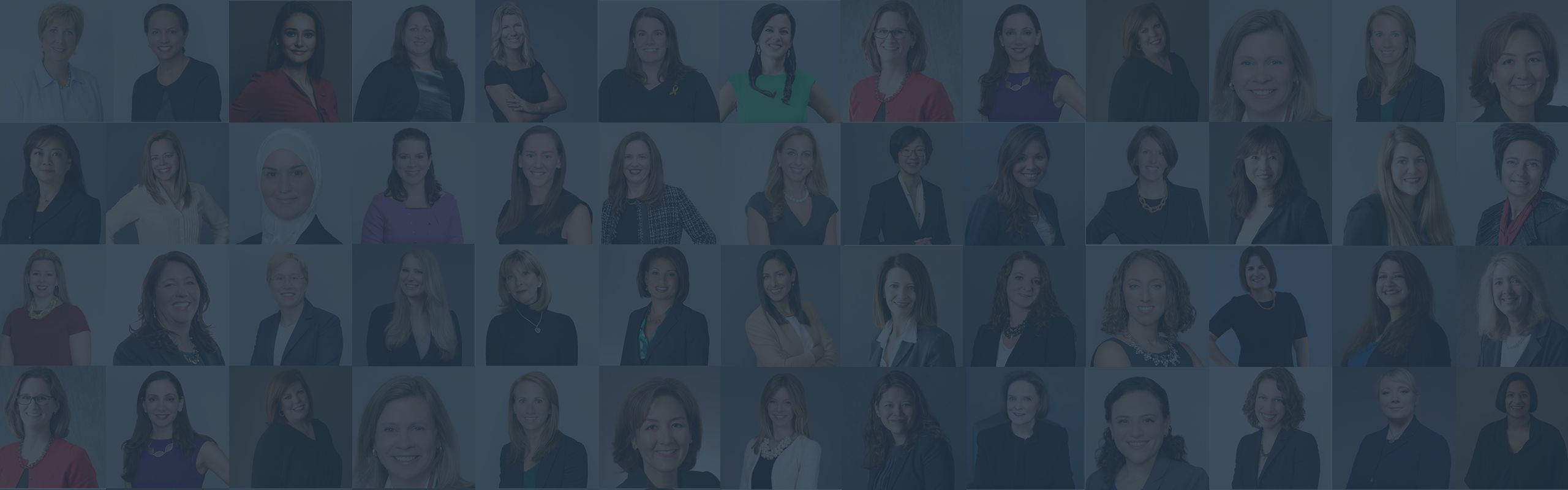
With women comprising 50% of the partnership, the firm has been awarded the top spot among similarly-sized firms in Law360’s 2021 Glass Ceiling Report. This is the fifth consecutive year that the firm has been recognized as the #1 firm of its size, based on its percentage of female equity partners, which is double the industry standard. According to Law360’s latest survey, less than 25% of equity partners and less than 40% of attorneys at U.S. law firms are women. At Fragomen, more than 70% of attorneys are women.
Fostering a culture of inclusion is as an active priority at every level of the firm, from the Executive Committee to the leadership of its 50-plus offices and each individual team member. The firm continues to progress its diversity, equity and inclusion (DE&I) efforts through its Global DE&I Committee and firmwide programs, which are focused on four pillars: 1) recruitment, 2) career development and retention, 3) education and 4) pro bono and non-profit support.
As a result of these efforts, Fragomen has consistently been recognized for its market-leading diversity. Earlier this year, the firm was ranked among the top five law firms for ethnic diversity in The American Lawyer’s “Diversity Scorecard” and ranked as one of the top two law firms on the National Law Journal’s “Women in Law Scorecard.” Fragomen has held these leading positions for the past 10 years. Additionally, Law360 recognized Fragomen as the #1 firm of its size for minority attorneys and equity partners in its “Diversity Snapshot” from 2017 to 2021.
Click here to read more.

Country / Territory
Related content
Explore more at Fragomen
Media mentions
Partner Bo Cooper explains the impact of wage‑weighted selection on H‑1B registration and compliance.
Media mentions
Partner K. Edward Raleigh highlights how recent H-1B changes are shaping employer compliance strategies.
Media mentions
Practice Leader Colm Collins explains that processing delays, shifting demand in information and communication technology (ICT) and renewal cycles contributed to last year’s drop in work permit approvals.
Media mentions
Partner Rick Lamanna examines current pressures on Canada’s immigration system, including processing delays, reduced admissions and policy uncertainty and the implications for applicants and employers.
Blog post
Manager Mihaela Dumitru outlines how Swiss authorities assess Employer of Record and body-leasing models, highlighting key compliance risks, licensing requirements and a regulatory update affecting EU and EFTA nationals effective 1 January 2026.

Media mentions
Partner Karolina Schiffter discusses how courts in Poland are reinforcing timely processing and constitutional protections for foreigners.
Blog post
Immigration Manager Alice Heron examines Ireland’s updated employment permit salary thresholds taking effect in March 2026, including the reintroduction of graduate-specific Minimum Annual Remuneration bands and what these changes mean for employers planning graduate recruitment in 2026 and 2027.
Media mentions
Partner Jill Bloom explains how the new wage-based H-1B selection rule may influence hiring decisions and prompt employers to reassess workforce planning and explore alternative visa options.
Media mentions
Partner K. Edward Raleigh discusses how companies are rethinking their H-1B strategies amid evolving policies.
Media mentions
Partner Bo Cooper explains the impact of wage‑weighted selection on H‑1B registration and compliance.
Media mentions
Partner K. Edward Raleigh highlights how recent H-1B changes are shaping employer compliance strategies.
Media mentions
Practice Leader Colm Collins explains that processing delays, shifting demand in information and communication technology (ICT) and renewal cycles contributed to last year’s drop in work permit approvals.
Media mentions
Partner Rick Lamanna examines current pressures on Canada’s immigration system, including processing delays, reduced admissions and policy uncertainty and the implications for applicants and employers.
Blog post
Manager Mihaela Dumitru outlines how Swiss authorities assess Employer of Record and body-leasing models, highlighting key compliance risks, licensing requirements and a regulatory update affecting EU and EFTA nationals effective 1 January 2026.

Media mentions
Partner Karolina Schiffter discusses how courts in Poland are reinforcing timely processing and constitutional protections for foreigners.
Blog post
Immigration Manager Alice Heron examines Ireland’s updated employment permit salary thresholds taking effect in March 2026, including the reintroduction of graduate-specific Minimum Annual Remuneration bands and what these changes mean for employers planning graduate recruitment in 2026 and 2027.
Media mentions
Partner Jill Bloom explains how the new wage-based H-1B selection rule may influence hiring decisions and prompt employers to reassess workforce planning and explore alternative visa options.
Media mentions
Partner K. Edward Raleigh discusses how companies are rethinking their H-1B strategies amid evolving policies.


