Countdown to the Italy Winter Games 2026: What You Need to Know Before Travelling
December 19, 2025
Countries / Territories


Related contacts

IPM Business Process Manager
Related offices
Share
By: Hazel Yaman
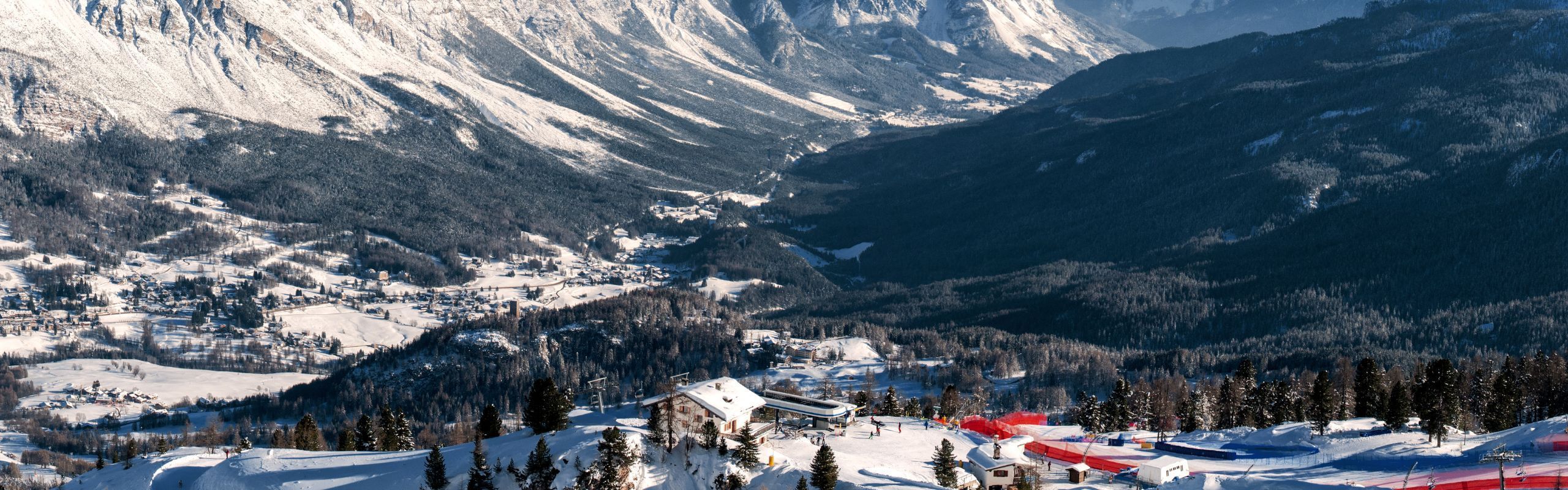
The countdown to the Milan–Cortina 2026 Olympic and Paralympic Winter Games has officially begun. With the stunning peaks of Lombardy and Veneto as its backdrop, Italy is preparing to host one of the most anticipated sporting events of the decade-a celebration of sports and innovation with inimitable Italian style.
From 6–22 February 2026 for the Olympic Games and 6–15 March 2026 for the Paralympic Games, athletes, media and spectators from around the globe will gather under Italy’s Alpine skies to mark a historic return to Cortina d’Ampezzo. The city last hosted the 1956 Winter Games, when ski jumps were wooden and television coverage was still black and white - the first Winter Olympics ever broadcast live on television.
The scale and reach of the Games have evolved dramatically since then, so too have the rules governing international travel. Individuals traveling to Italy for the 2026 Games should carefully assess applicable visa, work authorisation and entry requirements well in advance, particularly where activities go beyond tourism, such as media work, commercial activities, technical support or event-related services.
Who Needs a Visa for the 2026 Winter Games
As a member of the European Union (EU) and part of the Schengen Area, Italy requires certain foreign nationals to obtain a Schengen visa for entry, while permitting visa-free short stays of up to 90 days in a 180-day period for eligible nationalities. Requirements vary depending on nationality, role in the Games and duration of stay.
-
-
- Athletes and Team Officials: Athletes from visa-required countries should apply for a Short-Term Sports Visa through their local Italian consulate, supported by an invitation letter from CONI (Italian National Olympic Committee) or a relevant sports federation. If an athlete needs to remain in Italy for more than 90 days, a Long-Term Sports Visa is required, along with a nulla osta (work permit) and residence permit-both subject to quotas and must also be approved by CONI.
- Media Representatives: Foreign media personnel may require a visa in addition to press accreditation, depending on nationality and the scope of their activities. Early planning and confirmation with the Ministry of Foreign Affairs and International Cooperation are advised.
- Event Staff and Contractors: Non-EU nationals supporting Games’ operations may need a visa or work authorisation, depending on nationality, duration of stay and nature of duties. Requirements should be verified well in advance.
- Spectators: Non-EU nationals may require a Schengen visa depending on nationality, while others may be eligible for visa-free travel. Travellers are encouraged to check current visa policies and apply early if a visa is required.
-
EES: Europe’s New Border System
Travellers should also be aware of recent EU border technology enhancement. In October 2025, the new Entry/Exit System (EES) replaced manual passport stamping with digital entry and exit records for all non-EU nationals entering the Schengen Zone. It also collects biometric data (fingerprints and facial images). While full implementation is expected by 10 April 2026, Games attendees should anticipate slightly longer border processing times while the new system continues to be implemented.
Preparing for the Milan–Cortina Games
Here are several proactive steps travellers can take to ensure a smooth experience during the 2026 Olympic and Paralympic Winter Games.
-
-
- Visa-exempt nationals should confirm passports are valid for at least three months beyond the intended departure date.
- Those needing a Schengen visa for travel to Italy should apply early as visa appointment slots fill quickly due to high seasonal demand. Schengen visa applications can usually be submitted six months before travel.
- Non-EU nationals should allow extra time for border checks. With the gradual rollout of the EES biometric system, processing may take longer than usual during early 2026.
- Whether a first time or a seasoned traveller, double-check your travel details. Keep proof of travel and hotel booking, Winter Games tickets or accreditation and travel insurance handy for border controls.
- For work-related travel, plan strategically. For short-term assignments or Games-related activities, verify whether a work authorisation or specific visa is required before travelling.
-
With advance planning, travellers can ensure a smooth journey into Italy and focus on enjoying the Milan–Cortina 2026 Winter Games, where sport, culture and Alpine tradition meet in one of Europe’s most iconic winter settings.
Need to know more?
Fragomen is experienced in assisting sportspersons, their entourages and sports officials to secure appropriate visa authorisation to visit and relocate to the country. If you would like to learn more about ETIAS, EES, and the Schengen visa visit our immigration insights page. For questions or assistance on sporting visa options, please contact [email protected]
This blog was published on 19 December 2025, and due to the circumstances, there are frequent changes. To keep up to date with all the latest updates on global immigration, please subscribe to our alerts and follow us on LinkedIn, Twitter, Facebook and Instagram.

