New Immigration Restrictions and Harsher Penalties for Violators Imposed
September 23, 2014

Country / Territory
Share
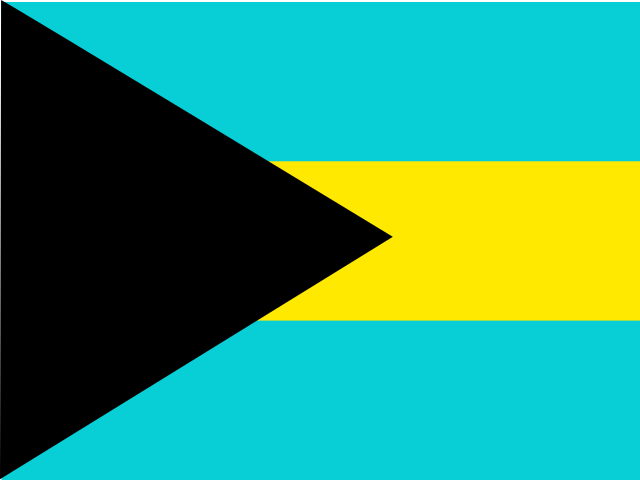
The Bahamas will start rejecting work permit applications for any foreign national who entered without authorization or has remained beyond his or her authorized length of stay. Additionally, out-of-status applicants will be arrested and deported, according to an announcement by the Bahamian Foreign Minister to Parliament. The rule will go into effect immediately and is aimed at the large numbers of foreign nationals, particularly from Haiti, who have recently settled in the country.
The Cabinet is also considering prohibiting work permit approvals to foreign nationals who have previously been deported from the Bahamas. Other proposed restrictions include requiring Haitian work permit applicants to pay additional processing fees and apply in person at the Bahamas Embassy in Port-au-Prince.
What This Means for Employers and Foreign Nationals
Employers and foreign nationals alike should be wary of the increase in compliance efforts and stricter penalties imposed as a result of the new rule. Haitian foreign nationals should abide by all new work permit application processes to avoid potential penalties.
Fragomen worked closely with Glinton Sweeting O’Brien (Nassau) to prepare this alert. This alert is for informational purposes only. If you have any questions, please do not hesitate to contact the global immigration professional with whom you work at Fragomen Global or send an email [email protected].
© 2009 - 2015 © Fragomen, Del Rey, Bernsen & Loewy, LLP, Fragomen Global LLP and affiliates. All Rights Reserved.
The Cabinet is also considering prohibiting work permit approvals to foreign nationals who have previously been deported from the Bahamas. Other proposed restrictions include requiring Haitian work permit applicants to pay additional processing fees and apply in person at the Bahamas Embassy in Port-au-Prince.
What This Means for Employers and Foreign Nationals
Employers and foreign nationals alike should be wary of the increase in compliance efforts and stricter penalties imposed as a result of the new rule. Haitian foreign nationals should abide by all new work permit application processes to avoid potential penalties.
Fragomen worked closely with Glinton Sweeting O’Brien (Nassau) to prepare this alert. This alert is for informational purposes only. If you have any questions, please do not hesitate to contact the global immigration professional with whom you work at Fragomen Global or send an email [email protected].
© 2009 - 2015 © Fragomen, Del Rey, Bernsen & Loewy, LLP, Fragomen Global LLP and affiliates. All Rights Reserved.

